Author: Bridgesoft
-
AI for Identity vs Identity for AI
Artificial Intelligence is reshaping the way organizations operate. From automating workflows and enhancing customer experiences to accelerating business decisions, AI has become a cornerstone of modern digital transformation. At the same time, organizations are investing heavily in Identity Access Management to secure users, applications, and data across increasingly complex IT environments. While AI and identity…
-
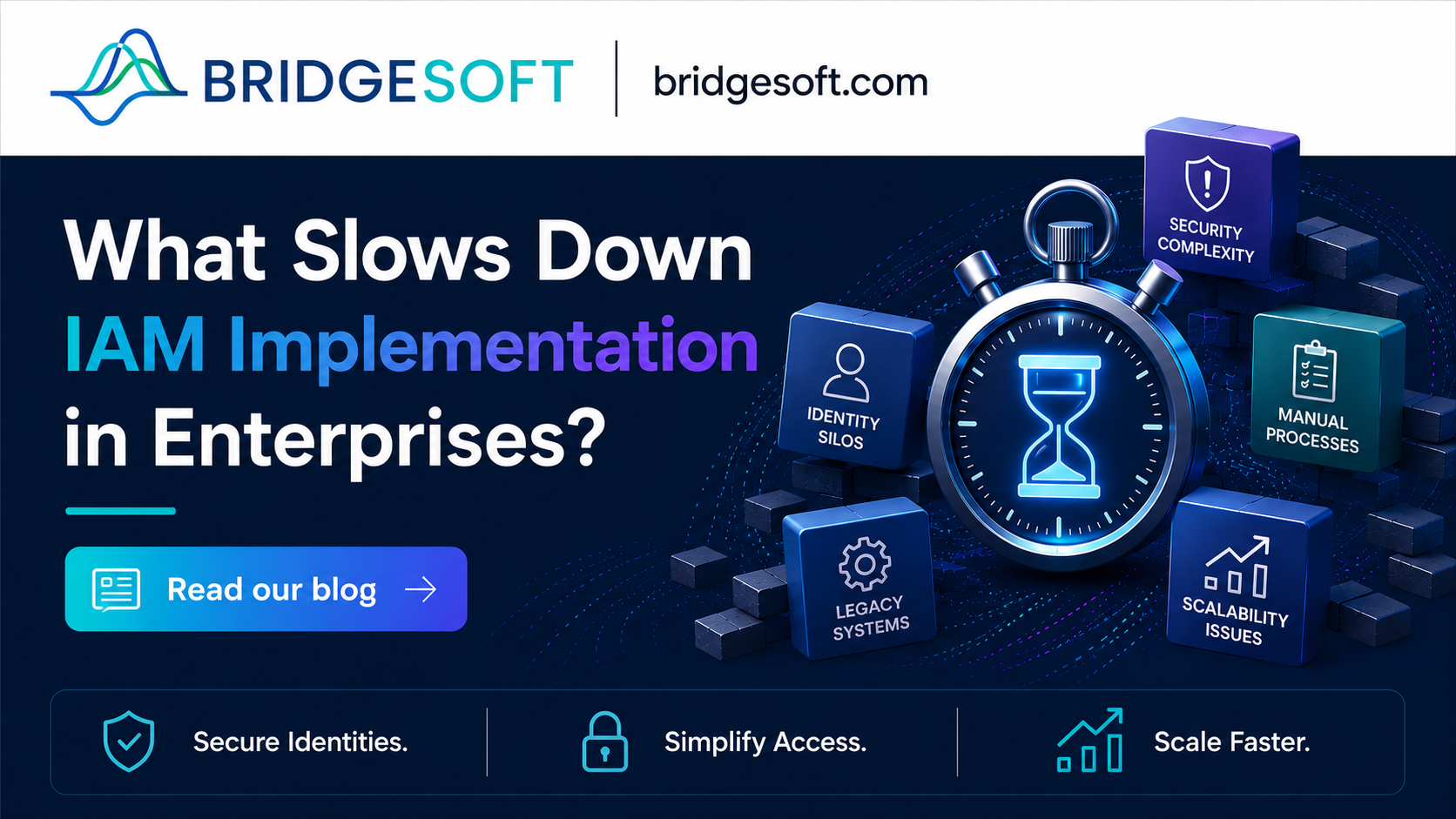
What Slows Down IAM Implementation in Enterprises?
As organizations continue to expand across cloud platforms, hybrid infrastructures, remote work environments, and digital ecosystems, Identity and Access Management (IAM) has become a critical part of enterprise security. Businesses today must ensure that the right users have the right access to the right systems while maintaining security, compliance, and operational efficiency. Despite growing investments…
-
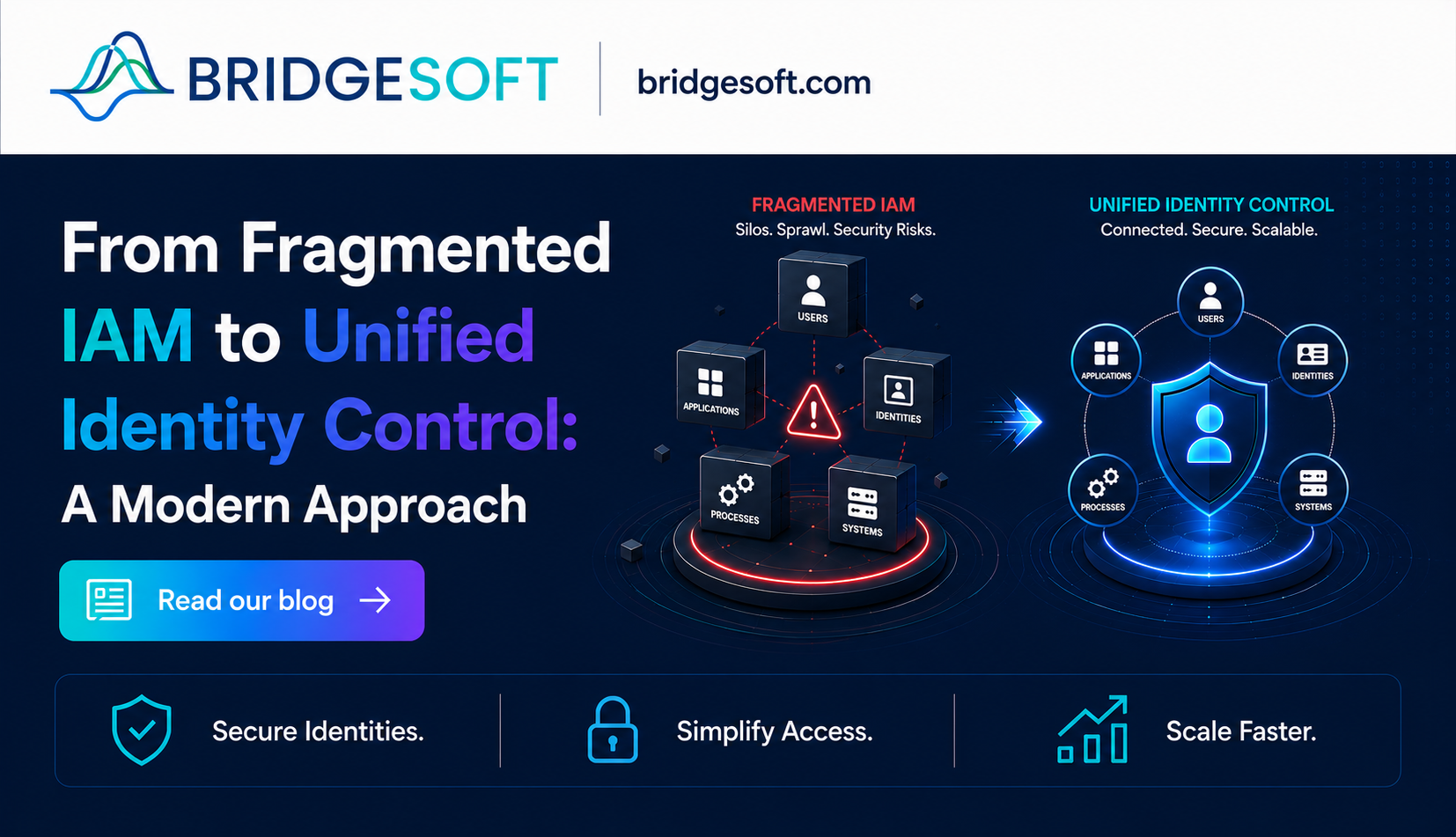
From Fragmented IAM to Unified Identity Control
Organizations today operate in highly connected digital environments where employees, applications, and data exist across cloud, on-premises, and hybrid infrastructures. While businesses continue to accelerate their digital transformation, many still struggle with fragmented systems that create security gaps, operational inefficiencies, and inconsistent access controls. Disconnected platforms and manual access process’s complicate identity management. Employees juggle…
-
Why Legacy Systems Delay IAM Implementation
As organizations accelerate digital transformation, Identity Access Management (IAM) has become a critical part of enterprise security. Businesses today must manage secure access across cloud platforms, enterprise applications, hybrid infrastructures, remote workforces, and digital ecosystems. However, many organizations still depend heavily on legacy systems that were never designed to support modern identity requirements. While these…
-
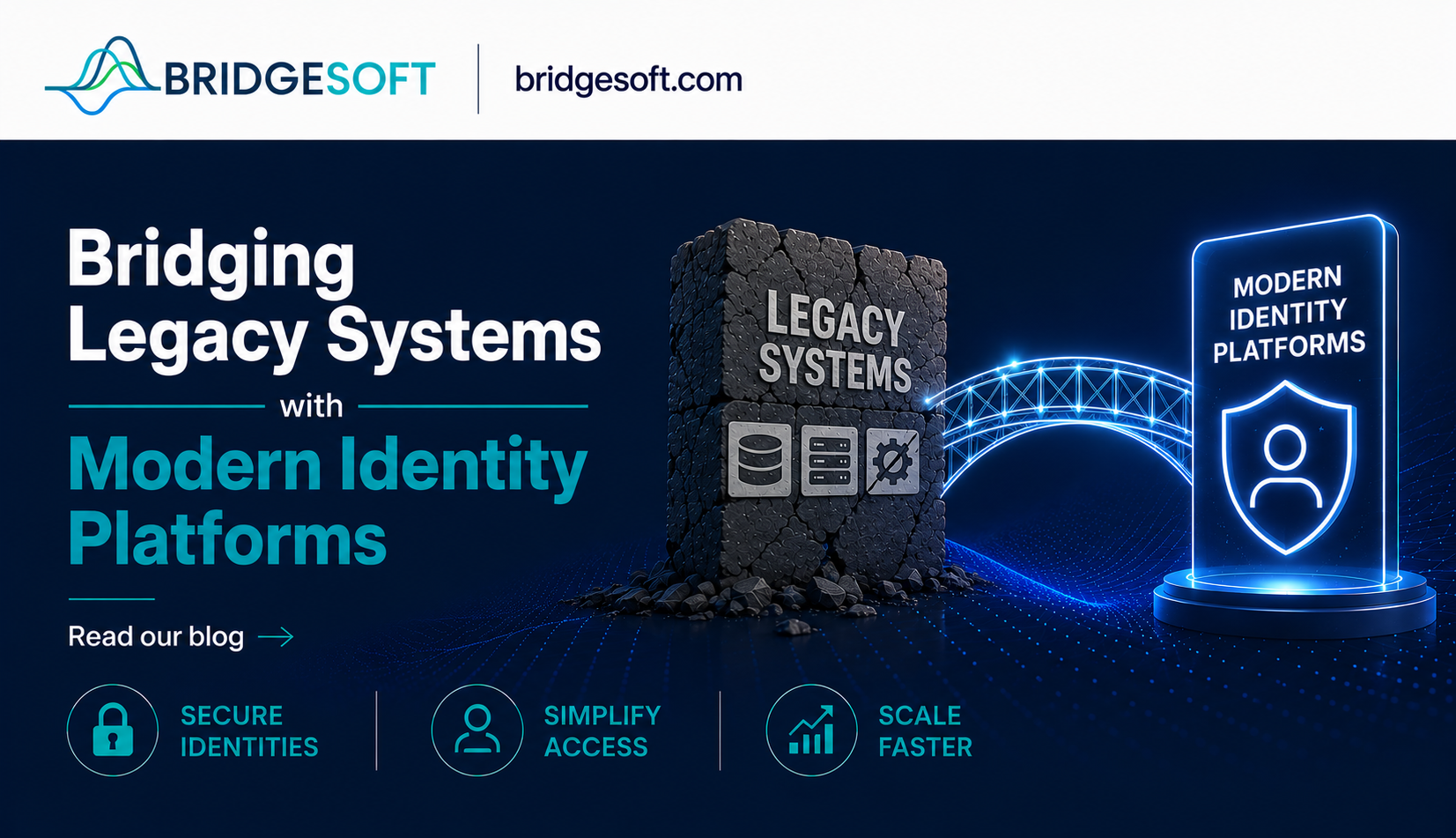
Bridging Legacy Systems with Modern Identity Platforms
In today’s rapidly evolving digital ecosystem, organizations are under constant pressure to modernize their IT infrastructure while maintaining business continuity. Many enterprises rely on legacy systems that power essential operations developed years ago. While these systems provide significant operational value, they often struggle to meet current security expectations, cloud strategies, and compliance requirements. Modern Identity…
-
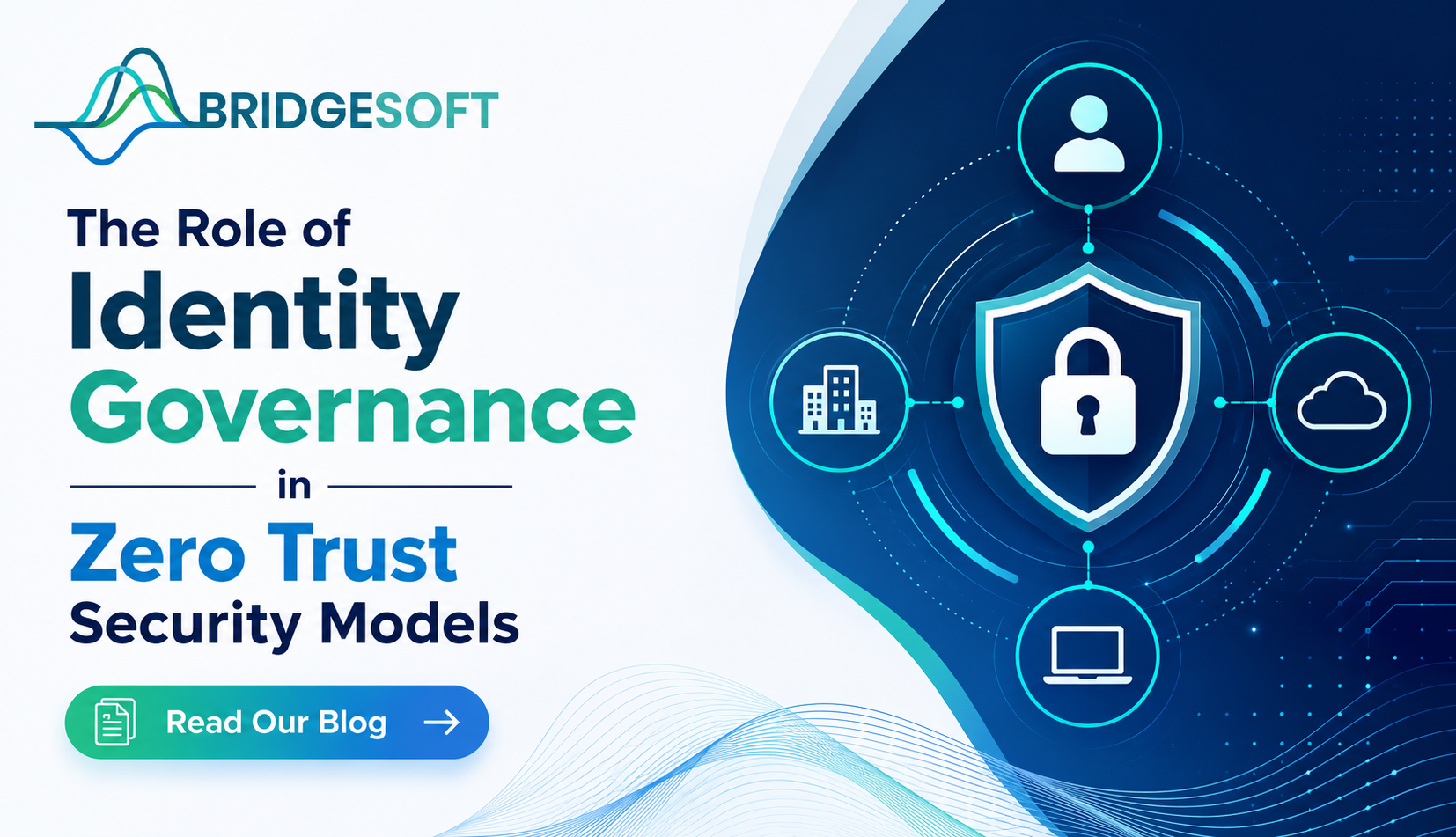
The Role of Identity Governance in Zero Trust Security Models
In today’s digital enterprise environment, traditional security boundaries are no longer enough. Employees work remotely, applications run across hybrid infrastructures, and users access business systems from multiple devices and locations. As a result, organizations are rapidly shifting toward Zero Trust Security Models — a security approach based on one core principle: At the centre of…
-
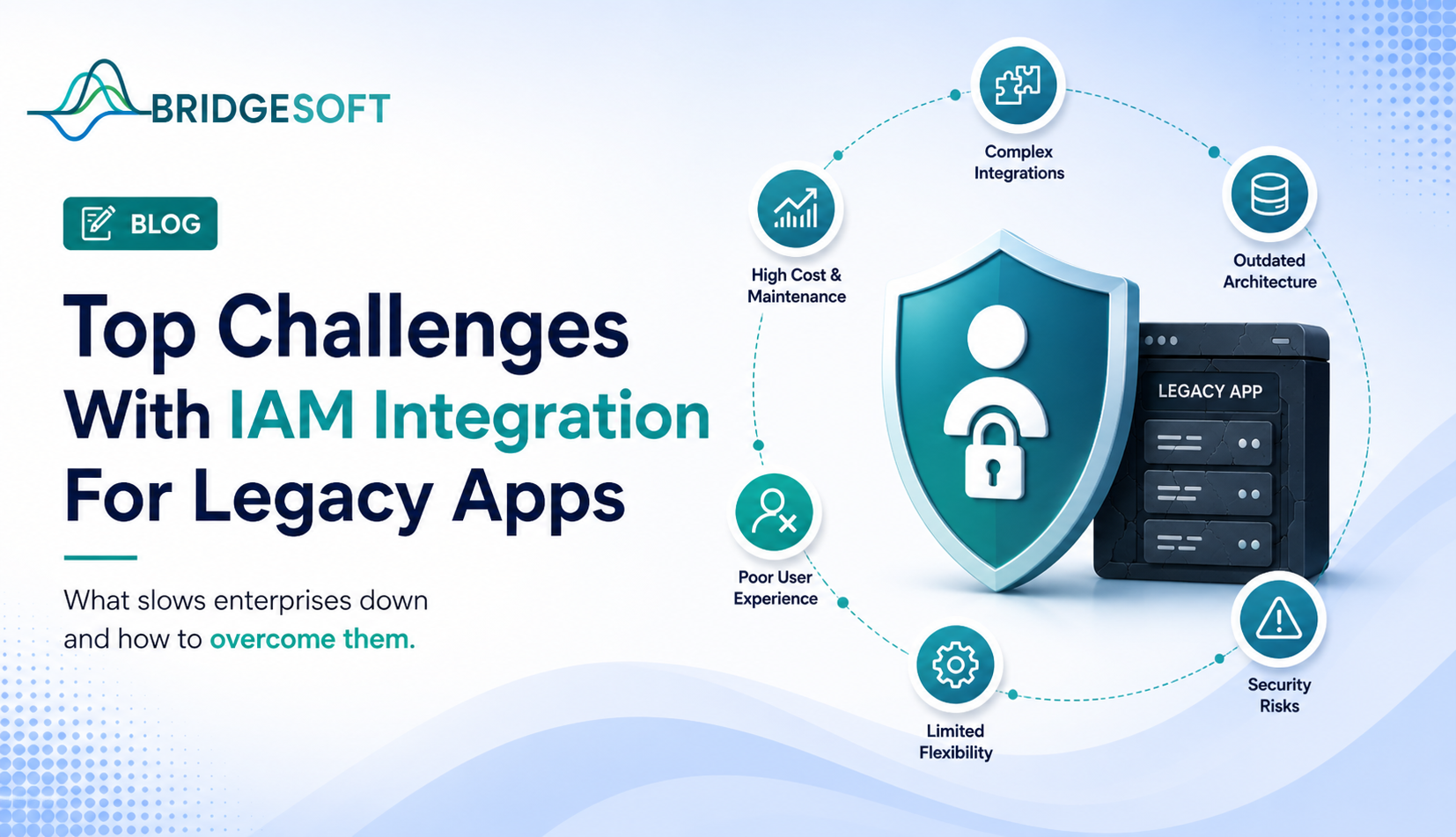
Top Challenges With IAM Integration For Legacy Apps
Digital transformation is accelerating across industries, but organizations still rely on legacy applications for key business operations. These systems often lack the security features needed for modern cybersecurity and compliance. With cloud adoption, hybrid environments, and remote work, securing legacy applications is now a top IT and security priority. Modern Identity Access Management (IAM) transforms…
-
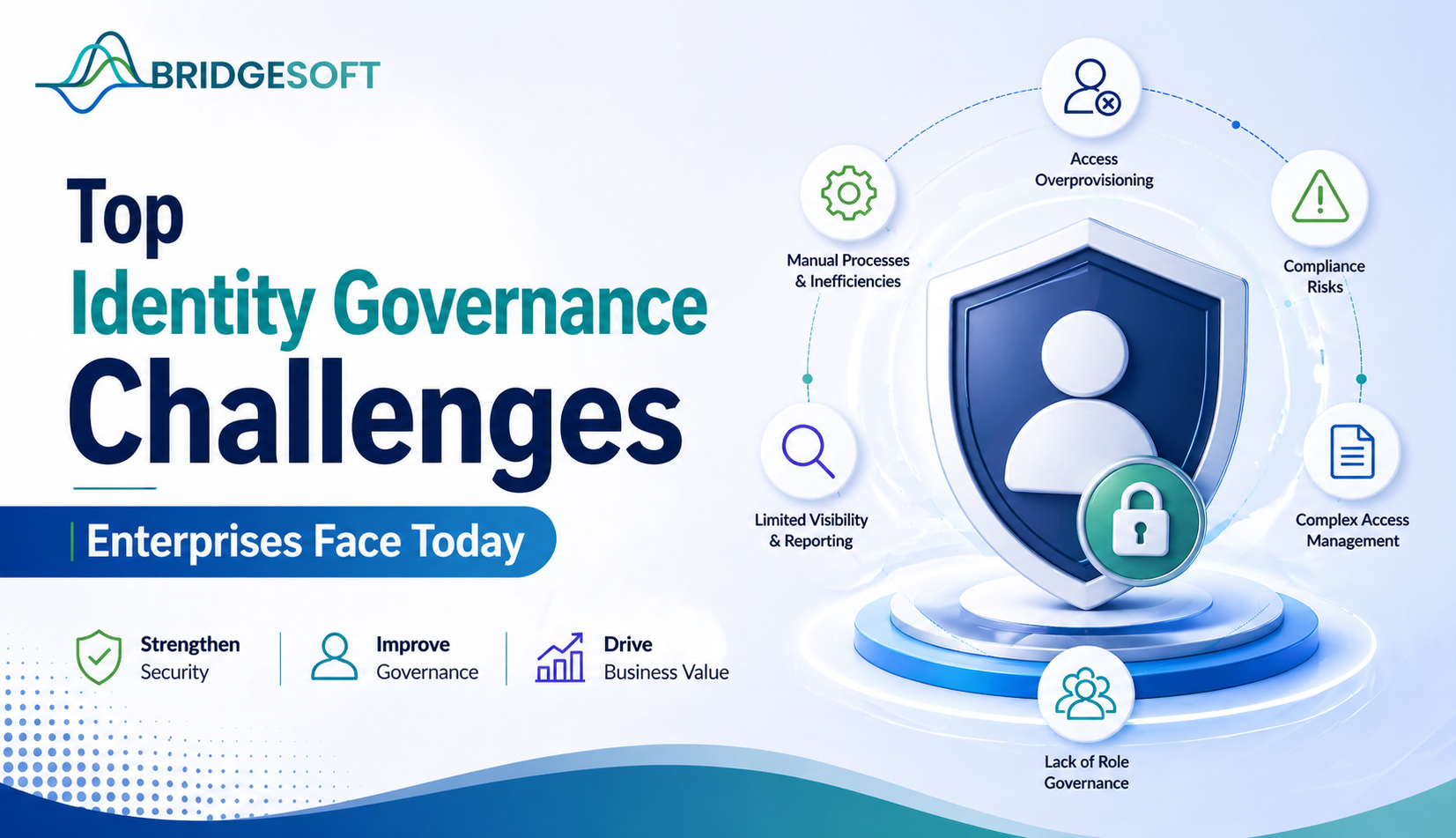
Top Identity Governance Challenges
In the modern enterprise, identity has quietly become the most critical layer of security and operations. Every login, every API call, every automated workflow—each begins with an identity requesting access. What used to be a manageable system centered around employees has evolved into a complex ecosystem of humans, machines, applications, and AI agents. And with…
-
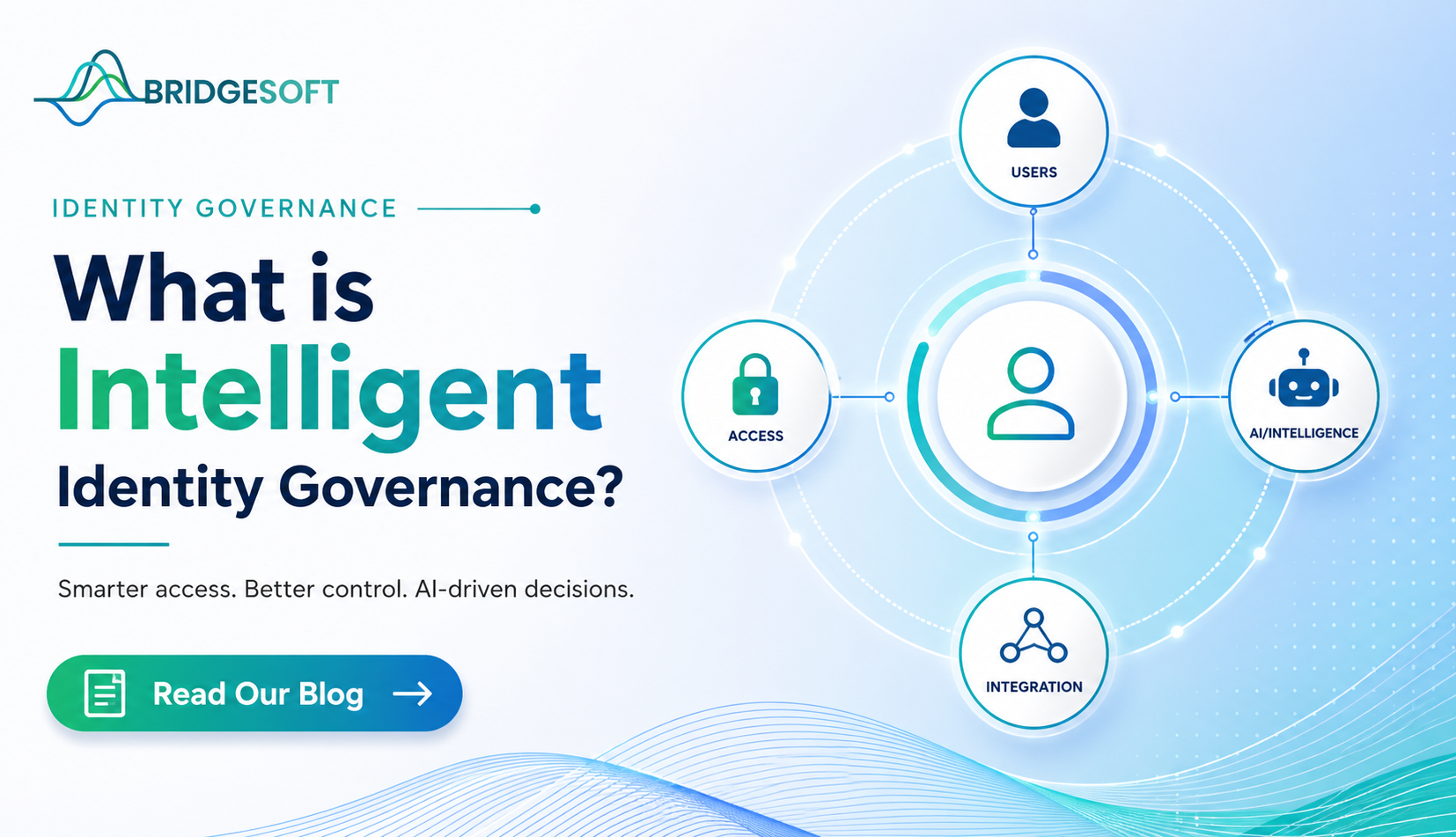
What is Intelligent Identity Governance?
In the modern enterprise, identity has quietly become the most critical layer of security. Firewalls, networks, and endpoints still matter—but increasingly, breaches don’t happen because someone broke in. They happen because someone logged in. That entity is not always a human user. It could be an API calling a backend service.A bot executing a workflow.An…
-
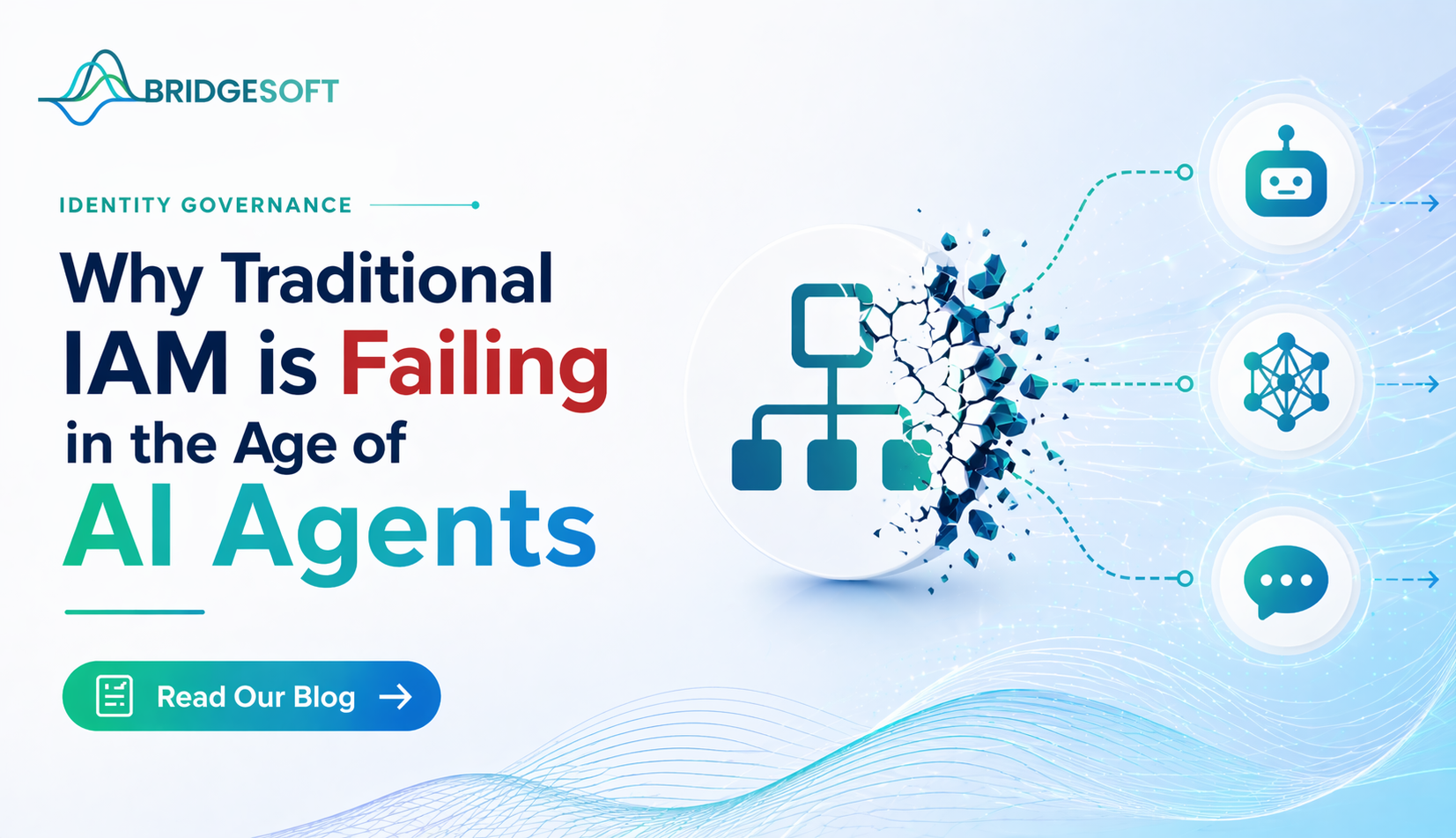
Why Traditional IAM is Failing in the Age of AI Agents
For years, IAM served as the backbone of enterprise security, ensuring appropriate access for the right people in a world where identities were static and human. Today, enterprises operate in an ecosystem where AI agents—such as virtual assistants handling HR tasks, autonomous cybersecurity bots, and automated customer support chatbots—act autonomously, APIs communicate continuously, and machines…