Access Reviews: An Essential Security Process Organizations Commonly Overlook
Every organization wants to strengthen security, reduce compliance risks, and maintain control over who has access to critical systems. Yet one of the most overlooked areas of Identity Access Management is also one of the most important—access reviews.
On paper, access reviews appear simple: managers and application owners periodically confirm if user permissions are still necessary. In practice, however, many organizations struggle to make reviews meaningful, often rushing the process or treating them as mere compliance checkboxes rather than crucial security activities.
The result is a growing accumulation of excessive permissions, dormant accounts, and unauthorized access that can increase organizational risk over time.
As businesses continue adopting cloud applications, remote work models, and complex digital ecosystems, access reviews have become essential for maintaining Secure Access Management. Organizations that fail to execute them effectively often expose themselves to security vulnerabilities, audit findings, and operational inefficiencies.
Most access review challenges are common and solvable.
Why Access Reviews Matter More Than Ever
Modern organizations manage thousands of identities across applications, cloud platforms, databases, and business systems. Employees change roles, contractors join and leave projects, third-party partners receive temporary access, and new applications are introduced regularly.
Access permissions tend to accumulate over time.
Without regular reviews, users often retain access they no longer need. In some systems, former employees could still be active. Privileged accounts can become overexposed. Sensitive applications may be accessible to users whose responsibilities have changed months or even years ago.
Access reviews help organizations answer critical questions:
- Does this user still require access?
- Are permissions aligned with current job responsibilities?
- Are privileged accounts properly controlled?
- Are inactive users still present in critical systems?
- Are compliance requirements being met?
Access reviews promote regulatory compliance, enhance governance, and enhance security when done well.
Why Access Reviews Commonly Fail
Many organizations approach access reviews with good intentions but encounter challenges that reduce their effectiveness.
A common problem is the volume of access data. Managers may have to examine thousands or hundreds of records at once. This flood of information often leads to approvals without thorough evaluation.
This behavior, often called “rubber-stamping,” turns what should be a meaningful security process into an administrative exercise.
Another common issue is the lack of business context. Reviewers may see usernames, application names, and permission levels, but have little understanding of what those permissions allow. Without context, it becomes difficult to make informed decisions about whether access should be retained or removed.
Many organizations deal with fragmented identity environments in which user access data is spread across various platforms. Reviewers must gather information from multiple sources, making reviews time-consuming and error prone.
As identity environments continue to grow, these challenges become even more difficult to manage manually.
The Hidden Risks of Ineffective Access Reviews
Failed access reviews create risks that often remain invisible until a security incident or audit occurs.
Excessive permissions increase the likelihood of insider threats and unauthorized access. Dormant accounts create potential entry points for attackers. Enforcing security standards throughout the company is challenging due to inconsistent access controls.
From a compliance perspective, ineffective reviews can lead to audit findings, regulatory penalties, and difficulties demonstrating governance controls.
Organizations often invest heavily in cybersecurity technologies while overlooking the simple reality that access risk remains one of the most common causes of security breaches.
Effective review processes are necessary, as technical controls alone are insufficient.
How Identity Access Management Improves Access Reviews
Modern Identity Access Management platforms help organizations transform access reviews from manual administrative tasks into intelligent governance processes.
Instead of relying on spreadsheets, emails, and disconnected systems, organizations can centralize access review activities within a single platform.
Identity Access Management solutions provide visibility into user access across applications, cloud environments, and business systems. Reviewers gain access to meaningful context, including user roles, departments, managers, and access histories.
This enables more informed decision-making while significantly reducing review complexity.
Centralized governance also helps organizations maintain consistency across review campaigns and improve overall audit readiness.
Using an Identity Gateway to Improve Access Visibility
One of the biggest obstacles to successful access reviews is fragmented access data.
An Identity Gateway can help address this challenge by serving as a centralized integration layer between applications, identity systems, and governance platforms.
By consolidating identity information from multiple sources, an Identity Gateway provides a more complete view of user access across the enterprise.
Reviewers no longer need to navigate multiple systems to understand permissions. Instead, they can evaluate access from a centralized location with greater accuracy and confidence.
This improved visibility supports stronger governance while reducing the time required to complete review cycles.
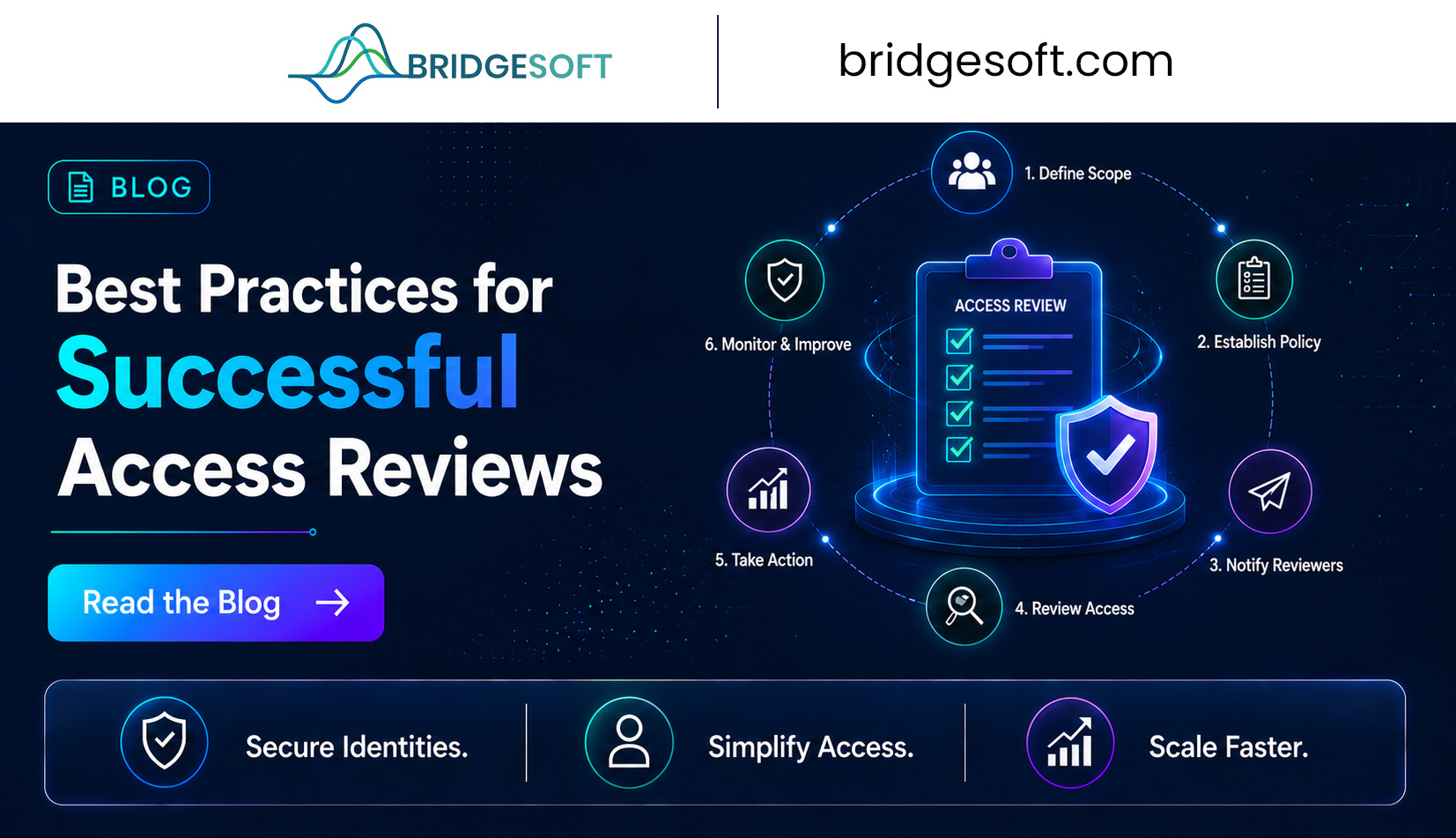
Best Practices for Successful Access Reviews
Organizations that consistently succeed with access reviews typically focus on simplicity, automation, and business relevance.
They use a continuous governance model that assesses access more frequently and in smaller, more manageable chunks, rather than conducting large-scale evaluations once or twice a year.
Providing business context is equally important. Reviewers should understand what access enables, why it was granted, and whether it remains necessary.
Automation also plays a critical role. Automated review workflows, intelligent recommendations, and policy-based approvals help reduce manual effort while improving accuracy.
Organizations should also prioritize high-risk applications, privileged accounts, and sensitive data environments where access risks are greatest.
By focusing review efforts where they matter most, organizations achieve better security outcomes without overwhelming reviewers.
Building a Culture of Secure Access Management
Technology alone cannot solve access review challenges.
Successful organizations build a culture of Secure Access Management where access decisions are treated as an ongoing business responsibility rather than an annual compliance exercise.
Maintaining proper access restrictions requires active participation from managers, application owners, security teams, and business executives.
When access governance becomes part of everyday operations, organizations improve accountability, reduce risk, and strengthen their overall security posture.
This cultural shift provides long-term value beyond any individual technology investment.
Final Thoughts
Access reviews remain one of the most effective tools for reducing identity-related risk, yet many organizations struggle to execute them successfully.
Overwhelming amounts of access data, fragmented systems, a lack of context, and manual processes often turn reviews into ineffective compliance exercises rather than meaningful security controls.
By leveraging modern Identity Access Management solutions, improving visibility through an Identity Gateway, and adopting Secure Access Management best practices, organizations can transform access reviews into powerful governance mechanisms.
The goal is not simply to complete reviews. The goal is to ensure that every user has the right access, at the right time, for the right reason.
Organizations that achieve this balance strengthen security, improve compliance, and build a more resilient identity foundation for the future.
Ready to Strengthen Your Access Governance?
Modern organizations need greater visibility, stronger controls, and automated governance processes to manage access effectively.
See how our solutions simplify reviews and governance—request your demo.
#IdentityAccessManagement #SecureAccessManagement #IdentityGateway #AccessReviews #AccessManagement #CyberSecurity #IdentitySecurity #Compliance #Governance #UserAccessManagement #EnterpriseSecurity #CloudSecurity #ZeroTrust #DigitalTransformation #RiskManagement #AuditReadiness #SecurityCompliance #IAM #AccessControl