Tag: Identity Access Management
-
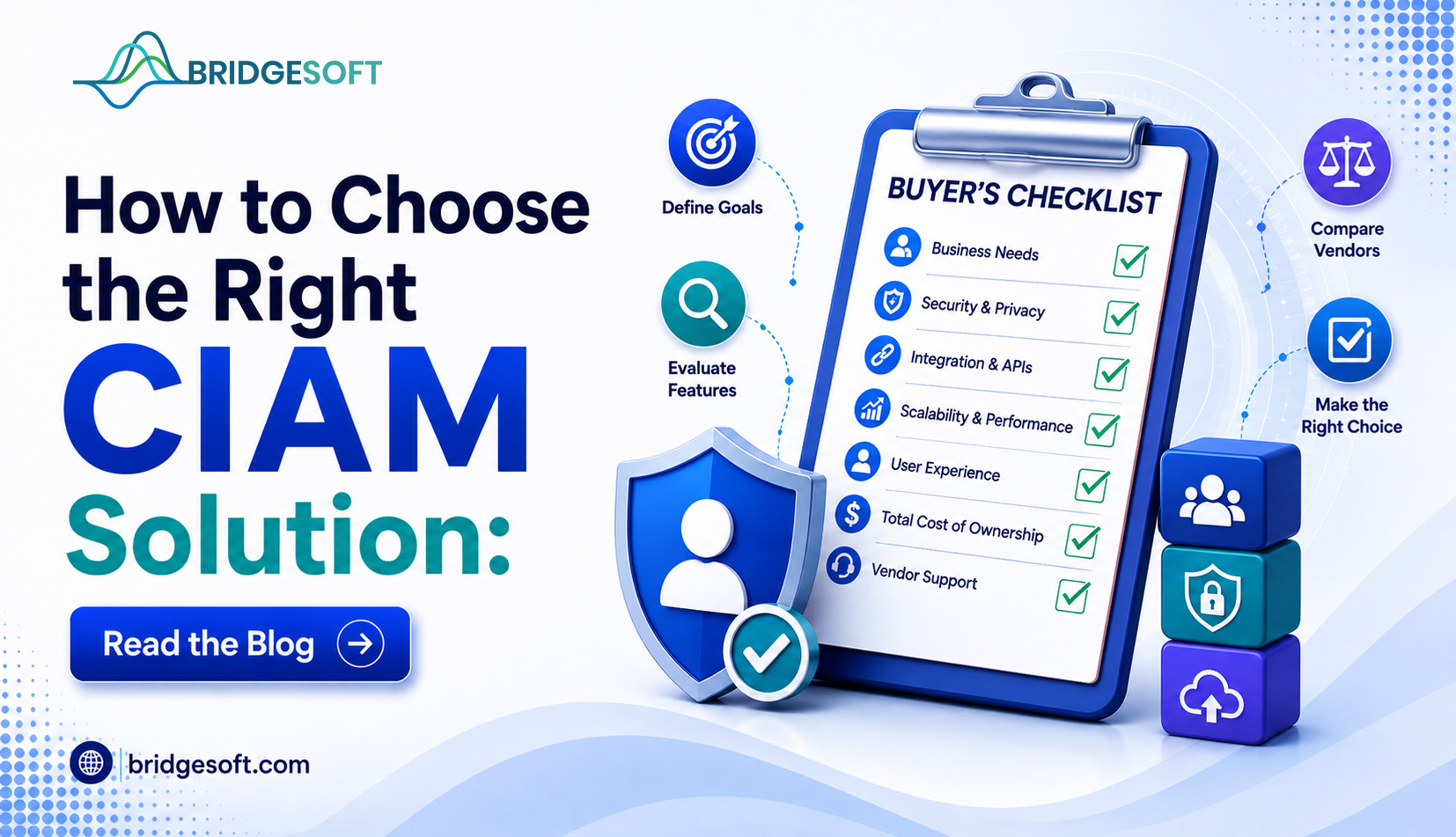
How to Choose the Right Customer Identity and Access Management Solution?
In today’s digital-first economy, customer identity has become one of an organization’s most valuable assets. Whether customers are accessing online banking services, healthcare portals, e-commerce platforms, or SaaS applications, they expect secure, seamless, and personalized experiences. At the same time, organizations must protect sensitive customer information, comply with evolving privacy regulations, and defend against increasingly…
-
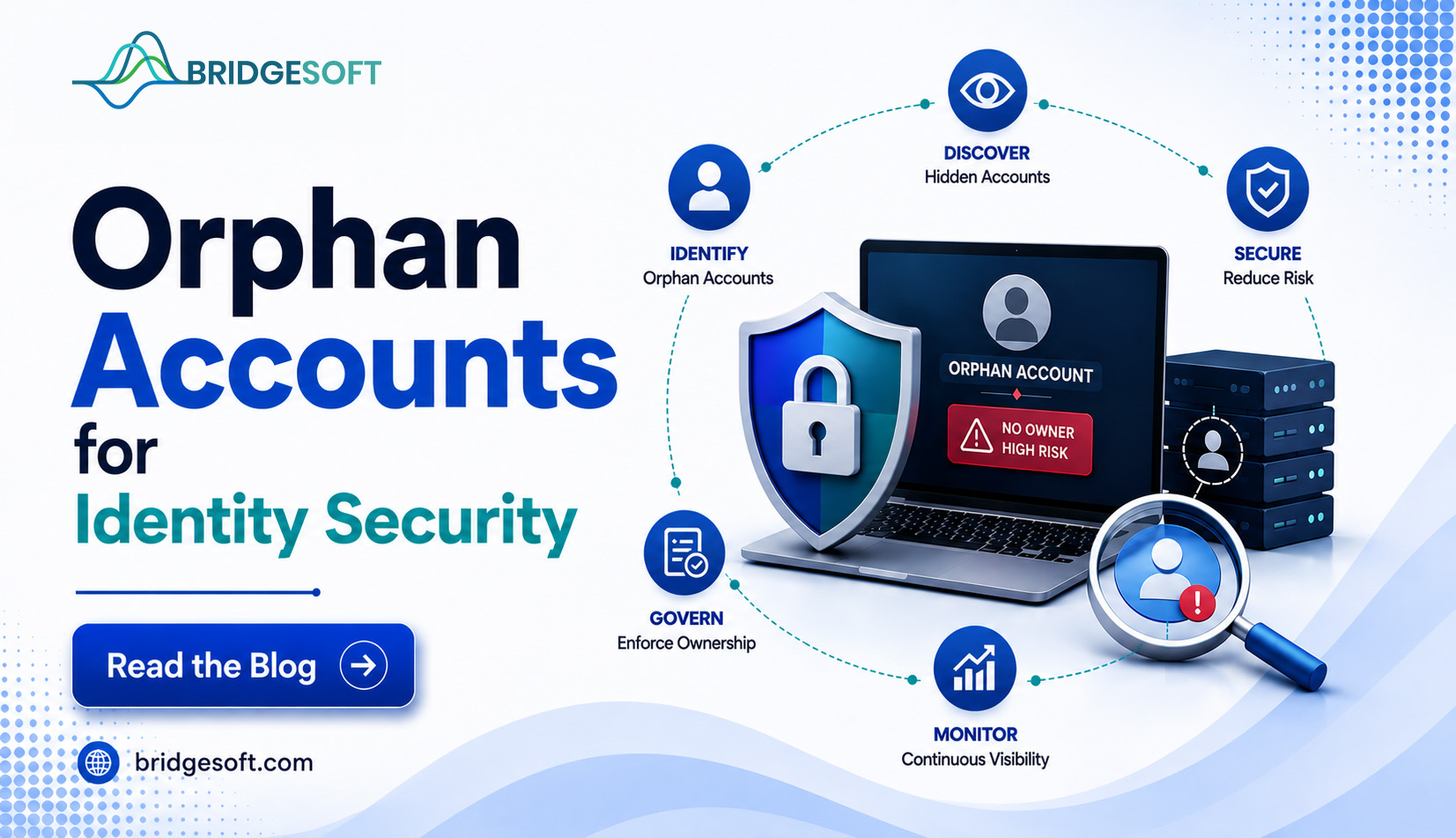
Eliminating Orphan Accounts: A Critical Step Towards Stronger Identity Security
In today’s digital enterprise, identity is one of the most important layers of security. Organizations invest heavily in authentication, access controls, identity governance, and security monitoring to ensure that the right people have access to the right resources. An orphan account is an active digital account that no longer has a valid owner or business…
-
How to Reduce IAM Costs While Improving Security
Identity Access Management (IAM) has emerged as a key component of enterprise security as businesses adopt cloud computing, hybrid work, and digital transformation. However, many businesses find that IAM costs continue to rise due to fragmented identity systems, manual processes, and legacy infrastructure. While licensing is often considered the primary expense, the true Total Cost…
-
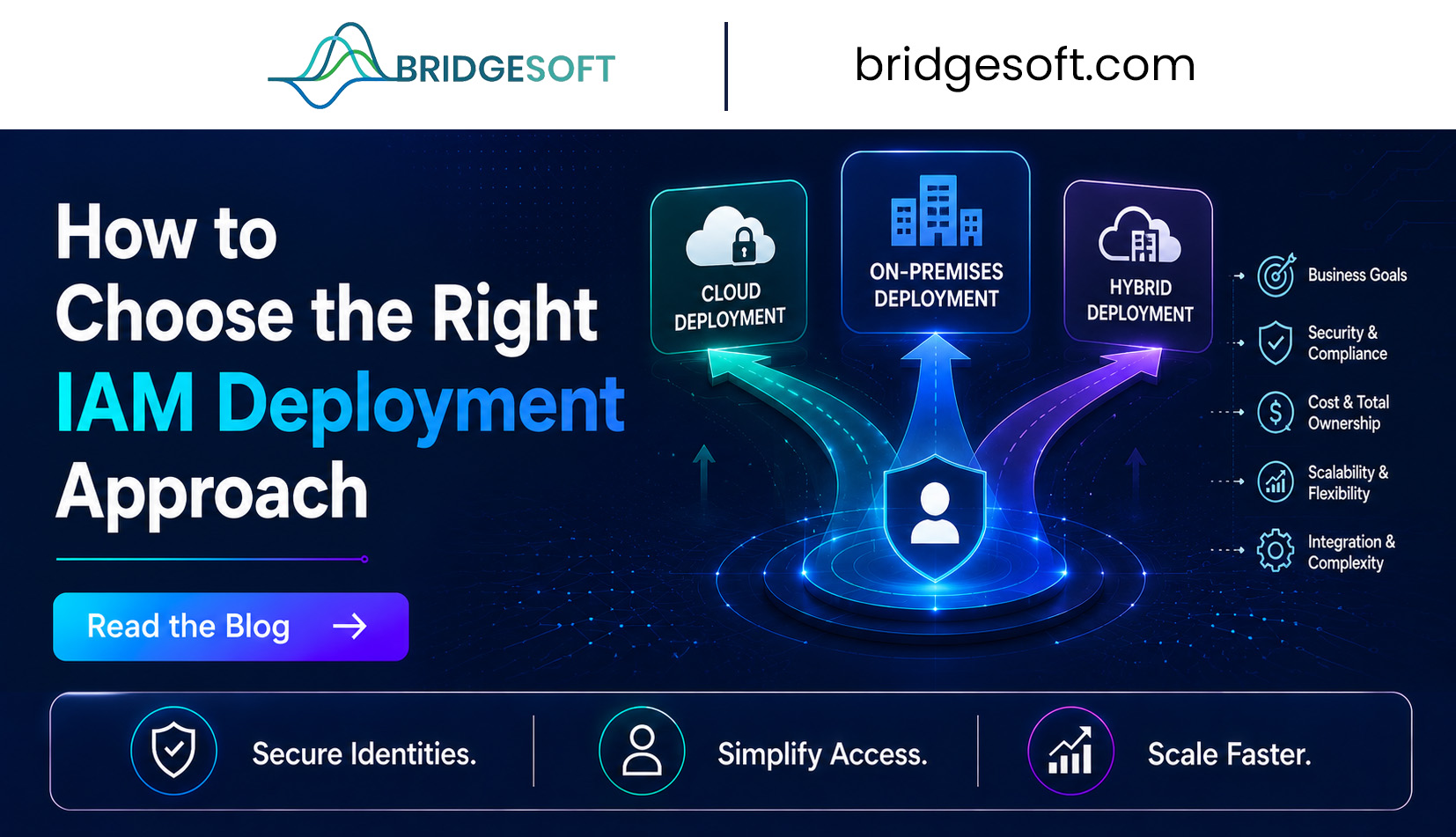
How to Choose the Right IAM Deployment Approach
For many organizations, implementing an Identity Access Management (IAM) solution is no longer just a cybersecurity initiative—it is a business transformation project. As enterprises embrace cloud applications, hybrid workforces, AI-driven automation, and digital ecosystems, managing identities securely has become essential for maintaining operational efficiency and protecting critical assets. However, the success of an IAM project…
-
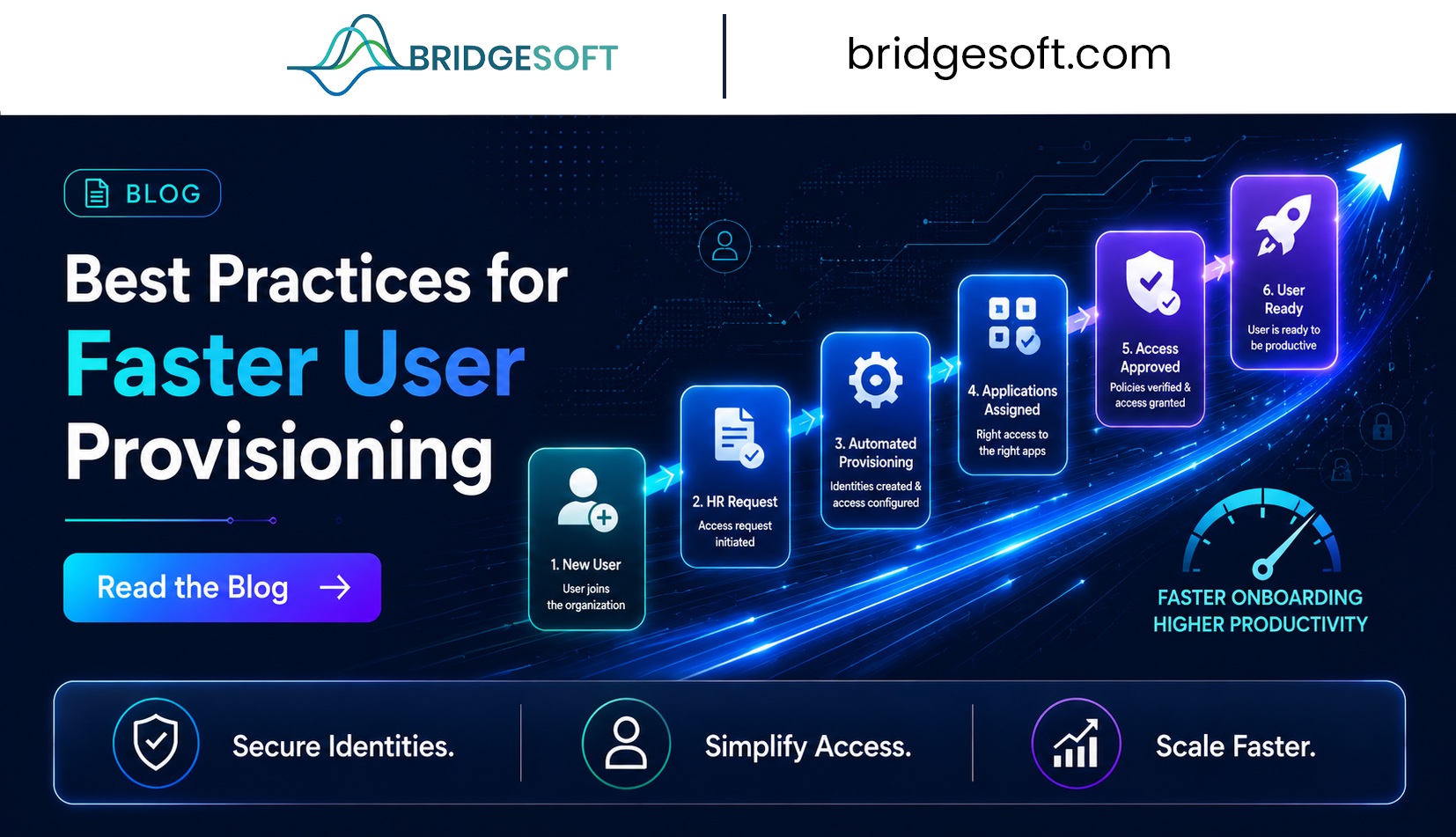
Best Practices for Faster User Provisioning
In today’s fast-paced digital workplace, employees expect immediate access to the applications, systems, and resources they need to perform their jobs effectively. Whether organizations are onboarding new employees, managing contractors, supporting remote teams, or enabling third-party access, delays in user provisioning can negatively impact productivity, employee experience, and business operations. At the same time, organizations…
-
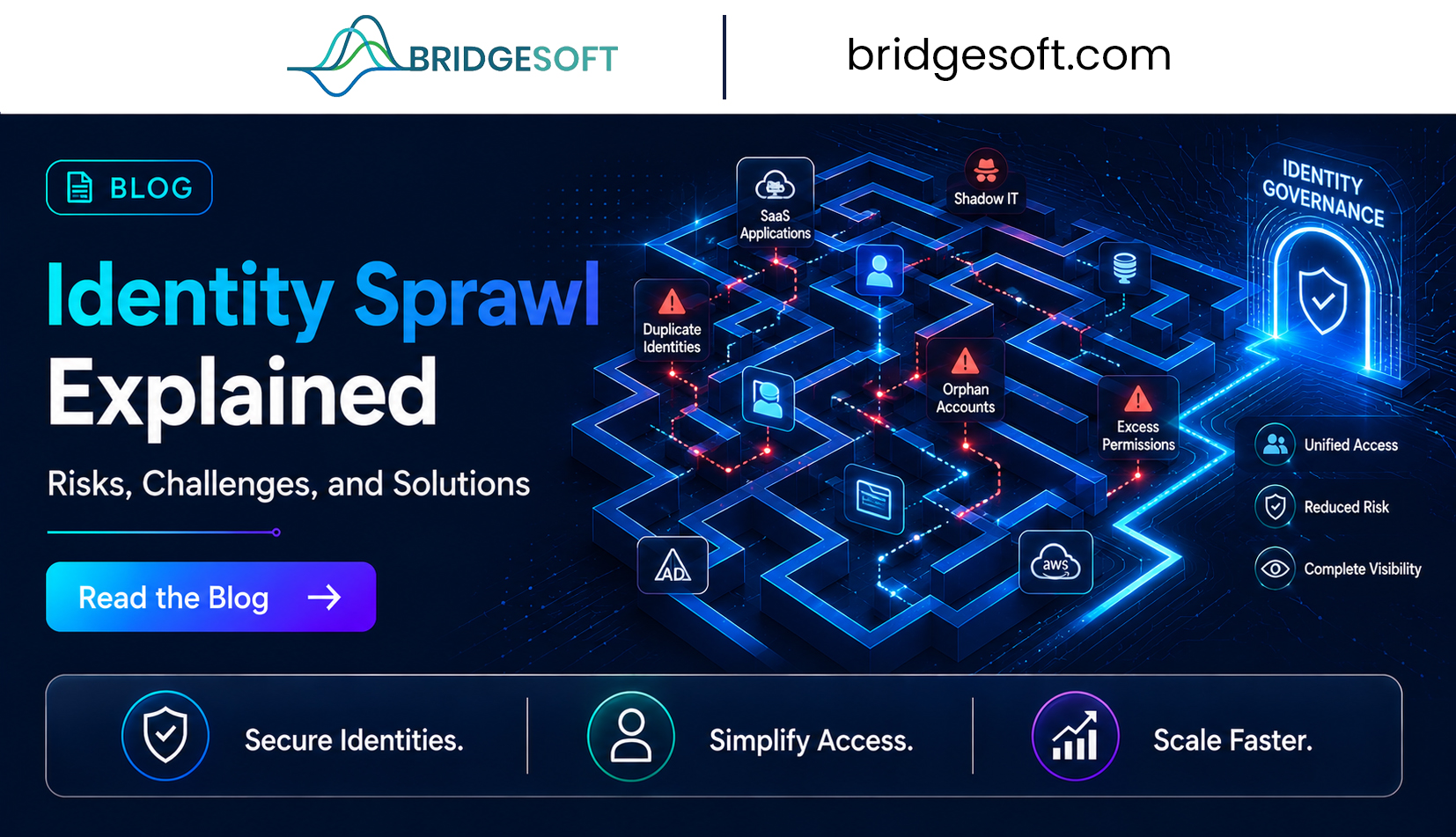
Identity Sprawl Explained: Risks, Challenges and Solutions
Imagine walking into an office building where no one knows exactly who has access to which rooms. Some employees still carry keys from previous departments, former contractors can enter restricted areas, and duplicate access cards exist without anyone realizing it. The result would be confusion, security risks, and a lack of accountability. This scenario mirrors…
-
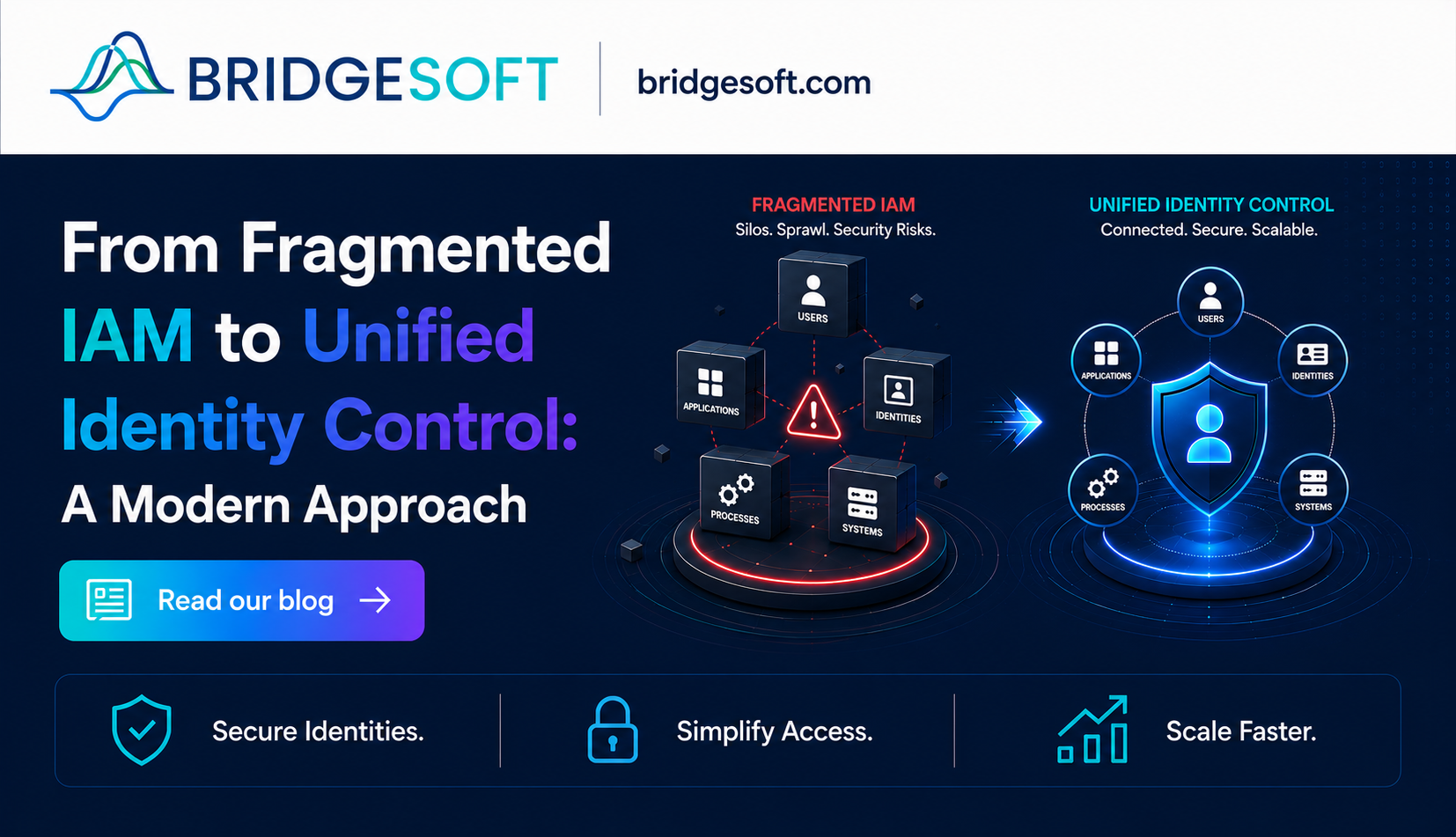
From Fragmented IAM to Unified Identity Control
Organizations today operate in highly connected digital environments where employees, applications, and data exist across cloud, on-premises, and hybrid infrastructures. While businesses continue to accelerate their digital transformation, many still struggle with fragmented systems that create security gaps, operational inefficiencies, and inconsistent access controls. Disconnected platforms and manual access process’s complicate identity management. Employees juggle…
-
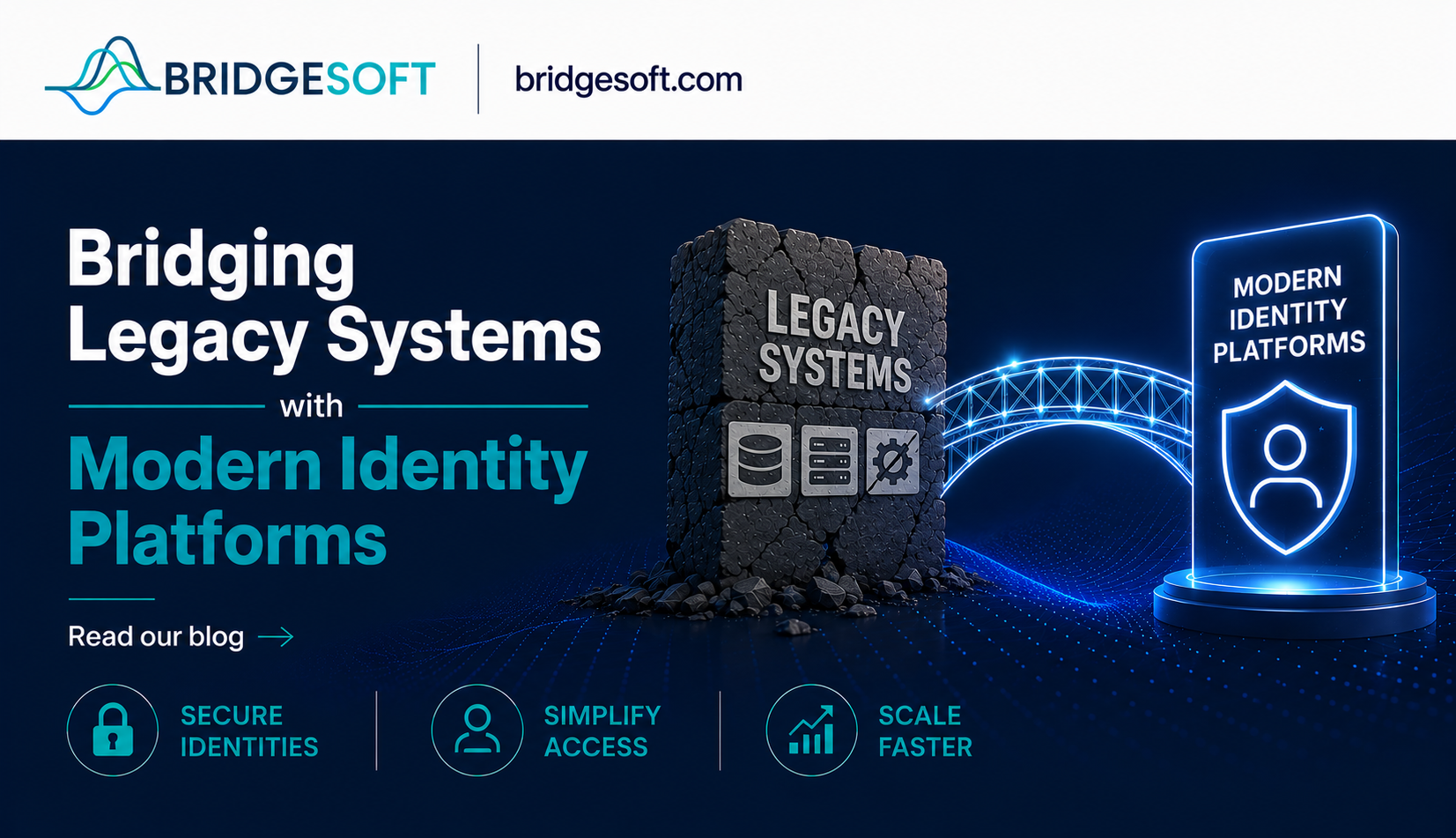
Bridging Legacy Systems with Modern Identity Platforms
In today’s rapidly evolving digital ecosystem, organizations are under constant pressure to modernize their IT infrastructure while maintaining business continuity. Many enterprises rely on legacy systems that power essential operations developed years ago. While these systems provide significant operational value, they often struggle to meet current security expectations, cloud strategies, and compliance requirements. Modern Identity…
-
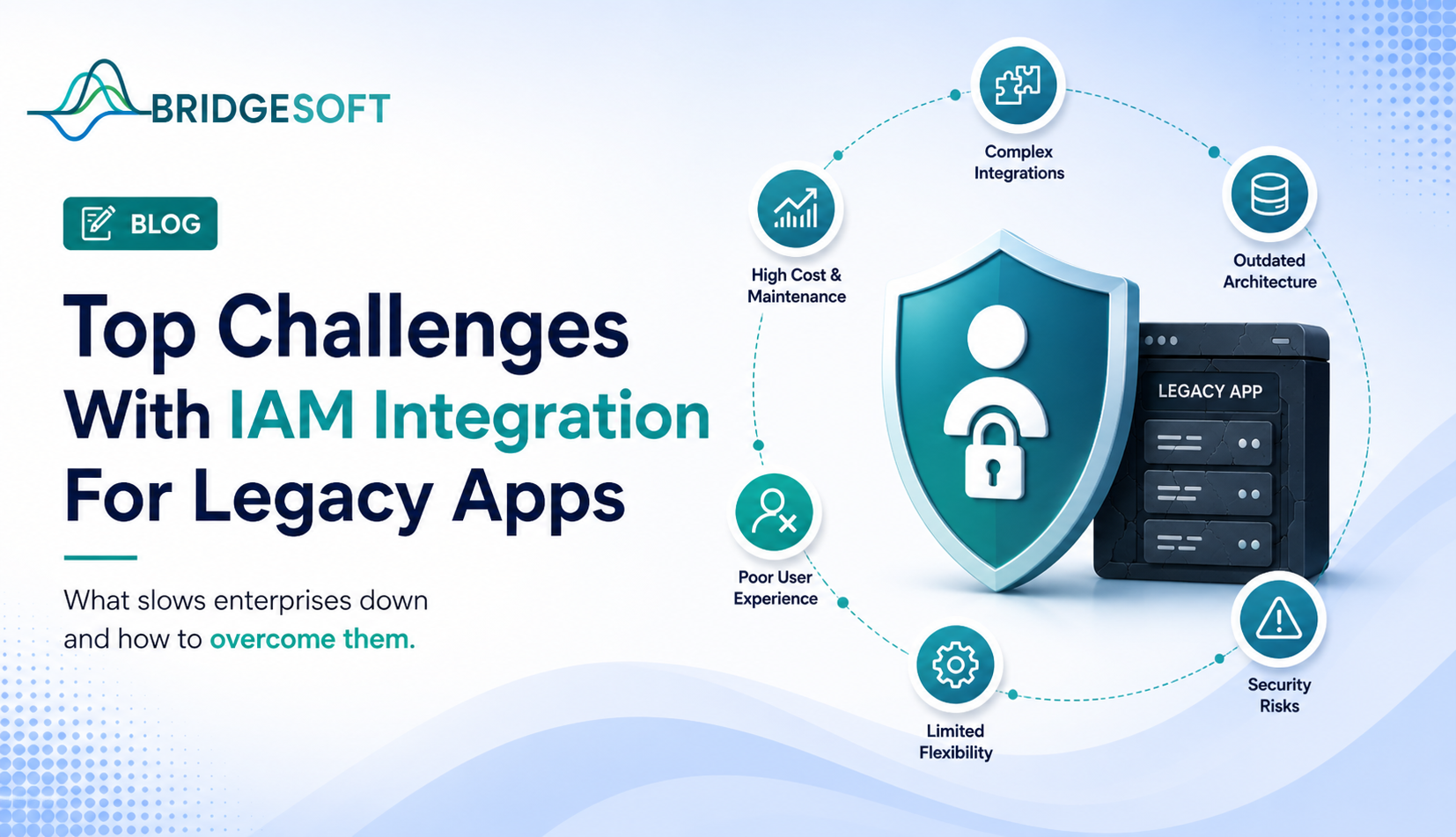
Top Challenges With IAM Integration For Legacy Apps
Digital transformation is accelerating across industries, but organizations still rely on legacy applications for key business operations. These systems often lack the security features needed for modern cybersecurity and compliance. With cloud adoption, hybrid environments, and remote work, securing legacy applications is now a top IT and security priority. Modern Identity Access Management (IAM) transforms…
-
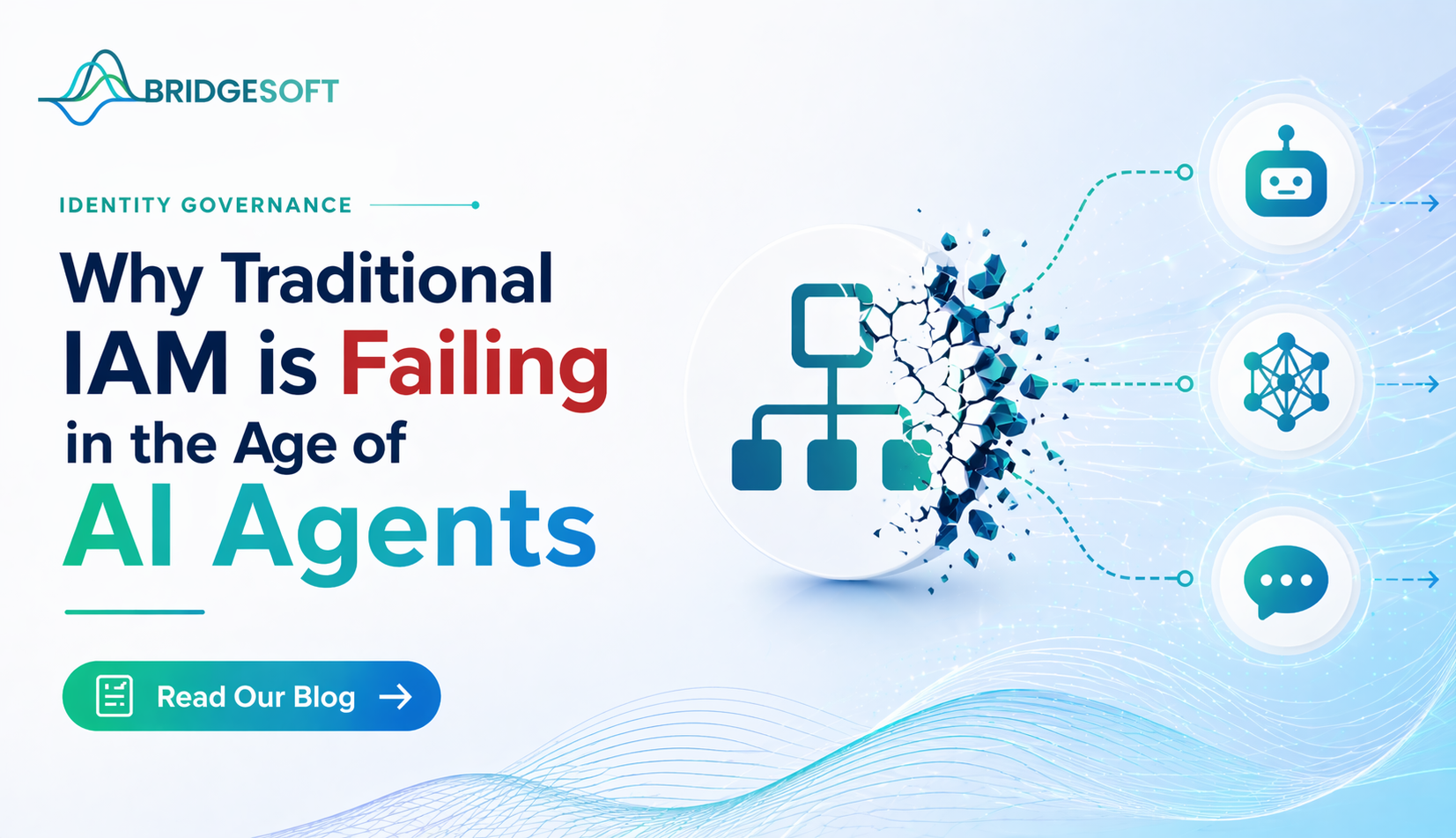
Why Traditional IAM is Failing in the Age of AI Agents
For years, IAM served as the backbone of enterprise security, ensuring appropriate access for the right people in a world where identities were static and human. Today, enterprises operate in an ecosystem where AI agents—such as virtual assistants handling HR tasks, autonomous cybersecurity bots, and automated customer support chatbots—act autonomously, APIs communicate continuously, and machines…